
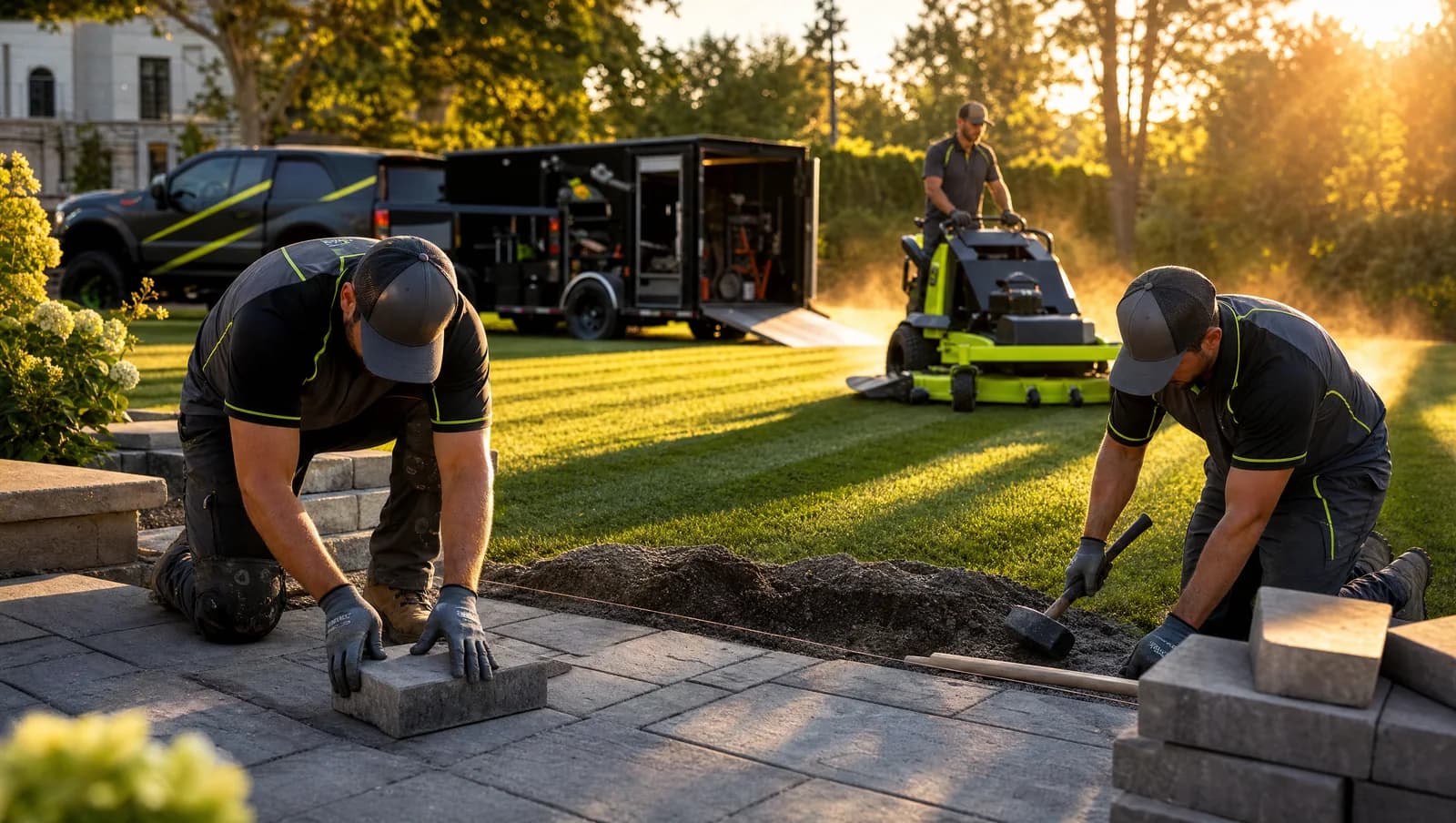



To stop getting ghosted after estimates, contractors need one thing: a structured follow-up system that responds within 5 minutes and follows up at least four times. Without it, the job goes to whoever called back first — not whoever sent the best bid.
Most contractors assume the homeowner lost interest. They didn't. The job went to whoever called back first — and that window is shorter than most people realize.
The ghosting isn't a people problem. It's a systems problem. And once you understand what's actually happening in those first few minutes after a lead comes in, the fix becomes obvious.
The 5-Minute Window That Decides Whether You Get the Job
Speed to lead home services research consistently shows that responding within 5 minutes makes or breaks the opportunity. A landmark study by MIT and InsideSales found that responding to a new lead within 5 minutes makes you 100 times more likely to make contact and 21 times more likely to qualify that lead than if you wait 30 minutes.
That's not a rounding error. That's the difference between a booked job and a voicemail nobody returns.
Verse.ai's analysis of thousands of lead interactions found that 78% of customers buy from the first company that responds. Meanwhile, the average home service company takes 47 minutes to respond to a new inquiry — 9 times past the point where the lead response time home services data says it still matters.
Here's the brutal part: 95% of home service businesses don't respond within 5 minutes. Which means if you build a system that does, you're already ahead of nearly every competitor in your market.
Why This Is a Systems Problem, Not a People Problem
The instinct is to blame the homeowner — they were price shopping, they were never serious, they found someone cheaper. Sometimes that's true. Most of the time it isn't.
You're Treating Every Lead Like a Warm Referral
A referral calls you because someone vouched for you personally. They'll wait. They trust you before you pick up.
A paid lead — someone who found you on Google, filled out a form, or came from a paid ads campaign — is simultaneously evaluating three to five other contractors. They're not loyal yet. They're assessing who responds, who sounds professional, who makes them feel confident. The first contractor who hits those marks gets the job.
Treating inbound leads like referrals means responding on your schedule. That's not how this works.
You Have No Contractor Lead Follow-Up After the Estimate
Most contractors send an estimate and wait. If the homeowner doesn't call back, that's the end of the conversation. No contractor lead follow-up sequence, no reminder, nothing.
Research from BDR shows 80% of sales require at least 5 follow-ups, but 44% of salespeople quit after one attempt. Speed to lead statistics on multi-touch follow-up consistently show the same thing: contractors who reach out more than twice close dramatically more jobs. In home services, where estimates take time and homeowners are comparing bids, that gap between one follow-up and five is where your revenue is disappearing.
You're Competing With Contractors Who Respond Instantly
If you're using any shared lead platform, the homeowner got your information at the same time they got four other contractors' information. The contractor who calls in the first ten minutes wins the first conversation. That first conversation almost always wins the job.

The Real Cost of Slow Follow-Up
Run the math for your own business.
If your average job is worth $1,500 and you close 30% of the leads you actually speak with — but you're only speaking with 40% of your leads because the other 60% went cold before you followed up — you're leaving real money on the table every week.
A 2026 analysis from LeadAngel found that companies responding within 2 minutes convert 62% of leads, compared to 28% for companies averaging 42 minutes. For a contractor doing $500,000 a year in revenue, closing 34 more percentage points of leads isn't a minor improvement — it's a different business.

What a Contractor Follow-Up System Looks Like
This isn't complicated. It's a sequence that runs whether you're on a job site or not.
0–5 Minutes: Automated Acknowledgment
The moment a lead comes in, they get a text or email confirming you received their request and when to expect a call. This is not the personal touch — it's the insurance policy. It keeps the lead warm while you finish what you're doing.
"Hey [name], this is [Company]. We got your message and someone will call you within the hour. If you need to reach us sooner, call [number]."
Simple. Fast. Keeps you in the conversation before you can even get to your phone.
1 Hour: Personal Call
This is the actual first impression. Call from a real number, use their name, reference what they asked about. Don't pitch — ask questions. The goal of this call is to schedule an estimate, not close the job.
Day 2–3: Follow-Up Text After the Estimate
After you send the estimate, send a short follow-up 48 hours later. Not to pressure — to answer questions.
"Hi [name], just checking in on the estimate we sent over. Happy to answer any questions or walk through the scope if that's helpful."
Most of your competitors stop here. Most jobs are decided after this point.
Day 5–7: Final Check-In
One more touchpoint, low pressure. If they don't respond to this one, you move on — but most contractors never make it this far. BDR's research shows 60% of deals close between the 4th and 7th contact. The contractors who stop at one or two are walking away from the majority of their closeable pipeline.
How AI Follow-Up Changes the Equation
Running a contractor follow-up system manually across every lead is unsustainable at scale. That's where AI follow-up changes the math.
An AI follow-up system sends the acknowledgment instantly, logs the interaction in your CRM, queues the follow-up texts at the right intervals, and flags leads that haven't responded so a human can step in. You don't have to remember to follow up — it happens automatically, at the right time, every time.
Surge builds and installs this system directly inside your accounts — your phone number, your CRM, your messaging. See how the AI follow-up system works →
Frequently Asked Questions
How quickly should a contractor respond to a new lead? Within 5 minutes for an automated acknowledgment, within 1 hour for a personal call. Lead response time in home services drops dramatically past the 5-minute mark — an automated text bridges the gap while you're on a job site and keeps the lead from calling the next contractor on the list.
Why do homeowners ghost contractors after getting an estimate? Usually because another contractor responded faster or followed up more consistently. In competitive markets where homeowners are getting multiple bids, the first contractor to build rapport tends to win — and that almost always comes down to response speed and follow-up cadence, not the price of the estimate.
How many follow-ups does it take to close a home service job? More than most contractors expect. Industry research shows 80% of sales require at least 5 follow-up contacts, and 60% of deals close between the 4th and 7th touchpoint. Contractors who stop after one or two attempts are abandoning jobs that were still closeable.
What is speed to lead and why does it matter for contractors? Speed to lead is the time between a prospect submitting an inquiry and your first contact attempt. MIT and InsideSales research found that contacting a lead within 5 minutes makes you 100 times more likely to reach them than waiting 30 minutes. For home service contractors competing for the same jobs in the same market, response speed is often the deciding factor — not price.
Can AI follow-up really help a small home service business? Yes — and it's particularly valuable when the owner is also doing the work. An AI follow-up system handles the acknowledgment and sequenced follow-up texts automatically, so leads don't go cold during job hours. You stay in the conversation without being tied to your phone between calls.
Ready to stop losing jobs after the estimate? Surge builds the contractor follow-up system for you — installed inside your own accounts →